

Five Practical Considerations for Home Gym Flooring
A considered flooring layout can make a training area easier to organise and maintain. Its performance depends on the material, installation and intended use; flooring alone does not guarantee injury prevention or protect every subfloor.
1. Define the training area
Measure the space and plan where each activity happens. Keep walkways and door openings clear rather than covering the room without considering access.
2. Check equipment support
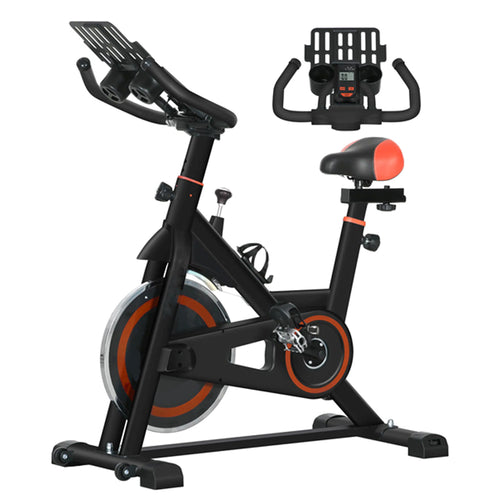
Read equipment installation instructions before placing machines or racks on a soft surface. Check that all feet sit as intended and that the flooring is suitable for the stated load.
3. Consider everyday contact
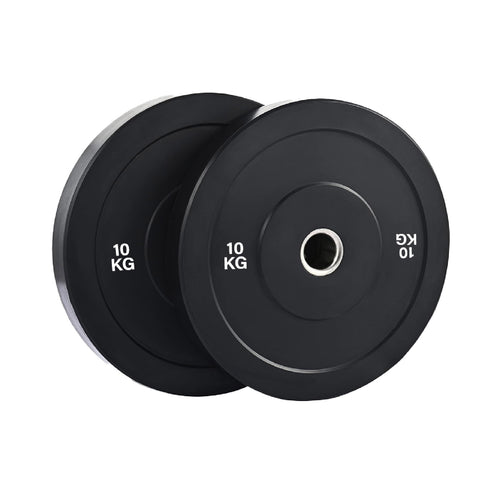
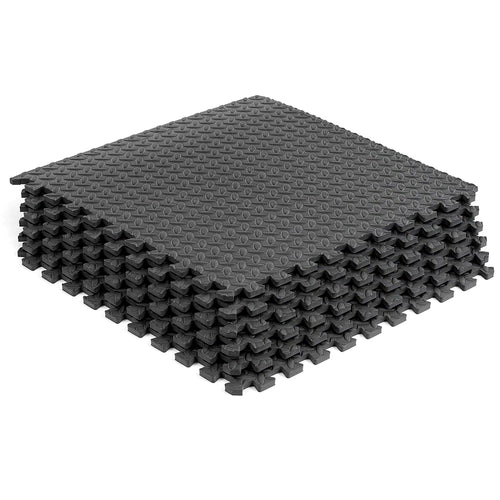
A mat may provide a surface between equipment and the floor, but protection depends on the product and use. Do not assume it is rated for dropped weights or sharp equipment feet.
4. Plan for sound
Mats may change some contact noise, but there is no soundproofing guarantee. Noise can also travel through the building structure, especially in upstairs rooms.
5. Make cleaning practical
Follow care instructions, remove debris and check seams regularly. Keep moisture from collecting beneath tiles, and replace damaged sections where the flooring system permits.
Browse our gym flooring collection and check the material, dimensions and pack coverage on the product page. For questions about a particular product, contact Shark Power Gear.
Share