Building a home gym is an exciting milestone for any fitness enthusiast. You’ve picked out your weights, maybe a bench, and perhaps even a cardio machine. But there is one crucial element that often gets overlooked until the very last minute: the flooring.
Choosing the right foundation is about more than just aesthetics; it’s about safety, protecting your subfloor, and maximizing the lifespan of your equipment. When you start browsing for gym floor mats uk or researching floor matting for gym setups, you will likely encounter two main contenders: rubber and foam.
At Shark Power Gear, we understand that making the right choice can be confusing. Should you prioritize the soft cushion of foam or the rugged durability of rubber? This guide breaks down the debate of rubber gym mats vs foam to help you decide exactly what your training space needs.
What Are Rubber Gym Mats?
Rubber gym floor mats are the gold standard for commercial gyms and serious home weight rooms. typically made from recycled tires or virgin rubber, these mats are dense, heavy, and incredibly tough. They are designed to withstand significant punishment, making them the top choice for anyone lifting heavy weights.
The Benefits of Rubber Flooring
The primary advantage of rubber is durability. If you plan on dropping a loaded barbell or setting down heavy dumbbells, rubber absorbs the shock effectively. This protects your concrete or wood subfloor from cracking and prevents your equipment from getting damaged.
Rubber also offers excellent traction. When you are sweating through a deadlift or a squat, the last thing you want is a slippery surface. Rubber provides a stable, non-slip grip that keeps you safe during intense movements.
Another key benefit is water resistance. Rubber doesn't absorb moisture, which means sweat and spills can be wiped away easily without worrying about mold or lingering odors. For a garage gym in the UK, where moisture can sometimes be an issue, this is a massive plus.
The Drawbacks
Rubber is heavy. Moving a roll or a large mat requires some effort. Additionally, fresh rubber products can have a distinct scent when you first unroll them, though this usually fades with proper ventilation. While they offer shock absorption, they aren't "soft" in the way a pillow is soft—they are firm and stable.
What Are Foam Gym Mats?
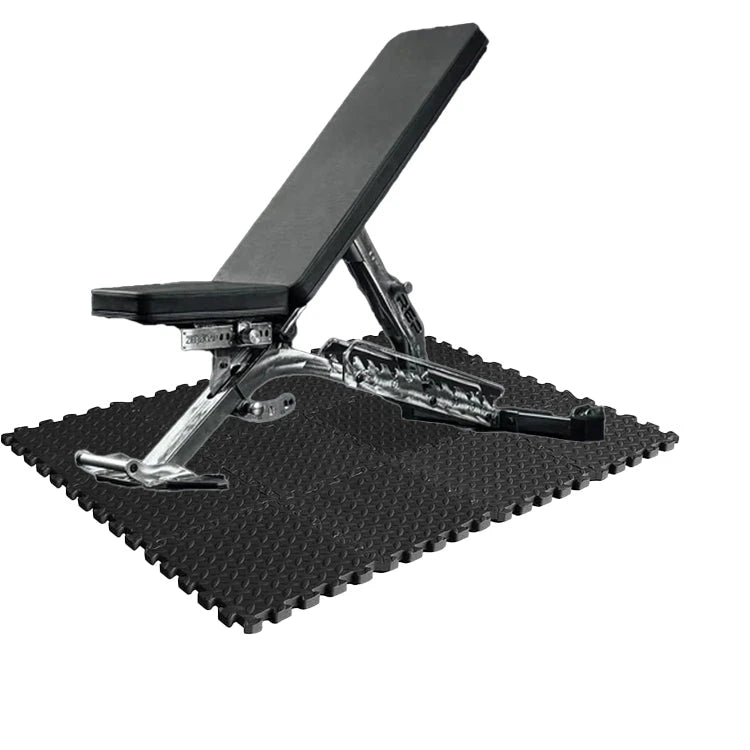
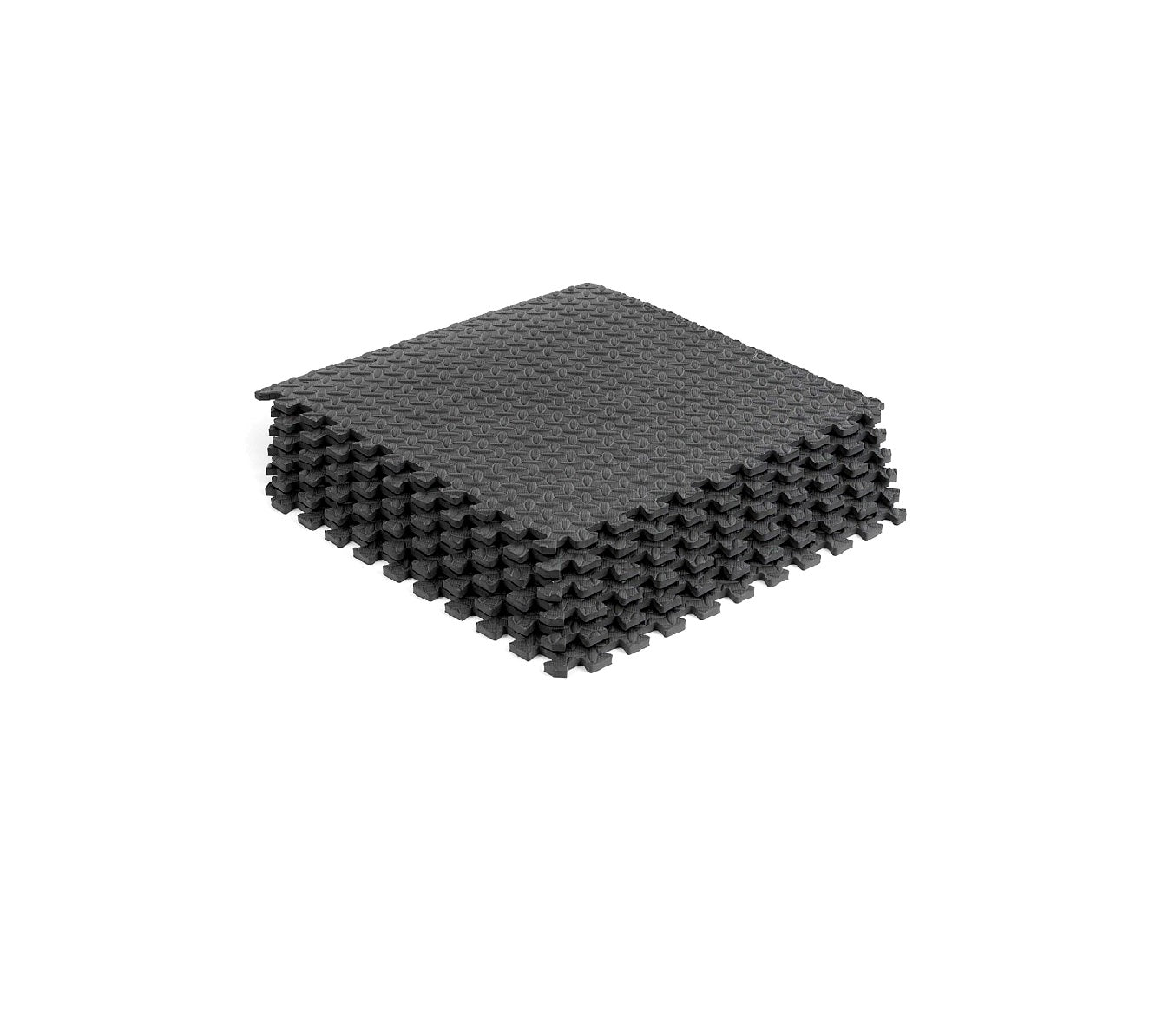
On the other side of the spectrum, we have foam mats. These are usually made from EVA (Ethylene Vinyl Acetate) foam. You often see these as interlocking puzzle tiles in bright colors or standard black. They are lightweight, affordable, and very soft to the touch.
The Benefits of Foam Flooring
The biggest selling point for foam is comfort. If your workout routine involves a lot of floor work—think yoga, Pilates, stretching, or sit-ups—foam provides a nice cushion for your spine, knees, and elbows. It creates a barrier against the cold, hard ground, making your workout space feel warmer and more inviting.
Price is another factor. Foam is generally cheaper than rubber, making it an attractive option for beginners setting up a budget-friendly exercise area. It is also incredibly light and easy to install; you can cover a room in minutes and cut the tiles to fit awkward corners with just a utility knife.
The Drawbacks
While foam is comfortable, it lacks the density required for heavy equipment. If you place a heavy squat rack or treadmill on foam tiles, they will compress permanently, leaving deep indentations.
Foam is also susceptible to damage. Sharp objects, heavy weights dropped from a height, or even vigorous jumping jacks with shoes on can tear or scuff the surface. Furthermore, when comparing foam vs rubber gym flooring UK options, foam can become slippery when wet, which poses a safety risk during high-intensity cardio.
Rubber vs. Foam: Key Differences
To help you determine the best gym mat material for your specific needs, let’s look at how they stack up in a direct comparison.
Durability
There is no contest here; rubber wins hands down. Rubber is built to last for decades. It can handle heavy foot traffic, dropped weights, and heavy machinery without flinching. Foam is a temporary solution for heavy use and will need replacing much sooner if subjected to wear and tear.
Comfort
Foam takes the prize for comfort. If you are doing calisthenics, tumbling, or martial arts where you are constantly hitting the deck, foam offers the impact protection your body needs. Rubber is forgiving, but it is firm.
Installation
Both options are relatively DIY-friendly. Shark Power Gear offers gym mat flooring solutions that are designed for easy setup. Foam tiles interlock effortlessly. Rubber mats can be heavy to move into place, but once they are down, their weight keeps them from sliding around, often without needing adhesive.
Cost
Foam is generally the lower-cost entry point. However, when you factor in longevity, rubber often provides better value over time. You might buy one set of rubber mats for life, whereas foam might need refreshing every few years depending on usage.
Factors to Consider Before Buying
Still on the fence about rubber gym mats vs foam? Consider these three factors regarding your personal training style and environment.
1. What is your training style?
This is the most critical question.
Weightlifting/CrossFit: If you are lifting heavy, using kettlebells, or dropping barbells, you need rubber gym floor mats. You need a surface that won't compress or tear.
Yoga/Pilates/Bodyweight: If your routine is low-impact and involves lying on the floor, foam is likely the better choice for comfort.
Mixed Use: If you do a bit of everything, rubber is generally the safer bet. You can always lay a yoga mat on top of a rubber floor for extra cushion, but you cannot make a foam floor durable enough for heavy weights.
2. Where is the gym located?
If you are setting up in a garage or shed, rubber is ideal because it insulates against cold concrete and withstands temperature fluctuations better. For an upstairs spare bedroom, foam's lightweight nature might be appealing, but rubber provides better sound dampening if you are worried about disturbing people downstairs.
3. Equipment Stability
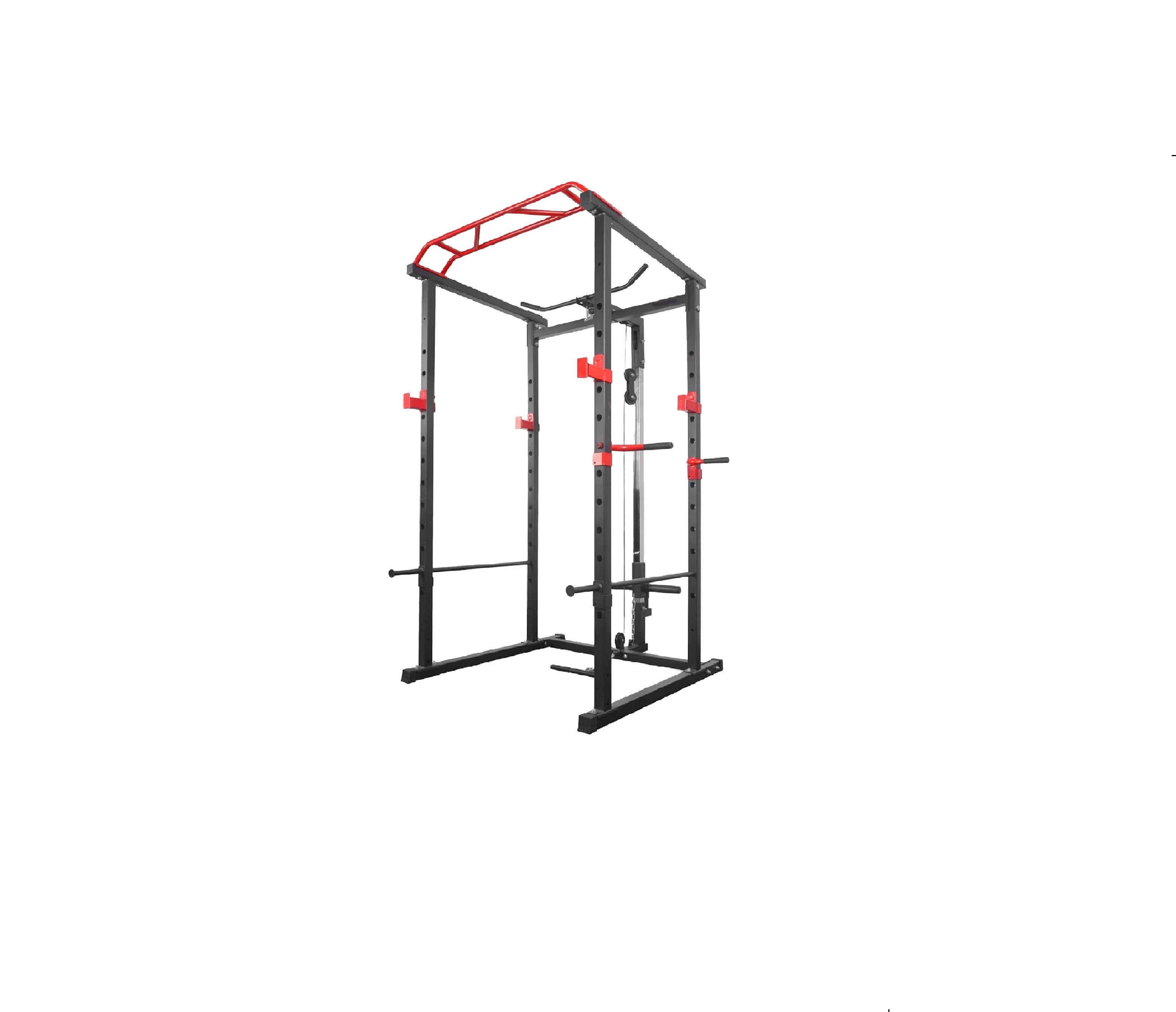
Think about what will sit on the floor. Heavy power racks require a stable base. Putting a rack on soft foam can be dangerous as the foam compresses unevenly, leading to a wobbly structure. Gym floor mat options made of rubber provide a solid, non-compressible base for heavy gear.
Choosing the Right Mat for You
At Shark Power Gear, we are committed to providing high-quality solutions for fitness enthusiasts across the UK. We know that the foundation of your gym sets the tone for your workouts.
When looking for gym floor mats uk based solutions, the verdict usually comes down to intensity.
Choose Rubber if you want a professional-grade gym feel, superior durability, and safety for lifting weights.
Choose Foam if you want a soft, budget-friendly surface for light exercise, play areas, or stretching zones.
For most dedicated home gyms, rubber flooring is the investment that pays off. It turns a spare room or garage into a legitimate training facility. However, understanding your specific needs is the key to satisfaction.
Ready to transform your space? Shark Power Gear offers premium flooring options designed to support your fitness journey, rep after rep.