



How to Choose the Right Gym Floor Mat Thickness: UK Guide
Building a home gym or upgrading a commercial facility involves more than just buying heavy weights and shiny machines. One of the most overlooked aspects of a safe and effective training space is the foundation you stand on. The right gym floor mat protects your subfloor, your equipment, and your joints. But with so many options on the market, how do you know which thickness is right for you?
When looking for gym floor mats in the UK, you might be overwhelmed by the varying millimetres and materials available. Choosing the wrong specifications can lead to damaged floors if you drop a heavy barbell, or an unstable surface if the mat is too soft for squats. It is a balancing act between cushioning, stability, and durability.
At Shark Power Gear, we understand that every gym setup is unique. Whether you are converting a garage into a powerlifting station or setting up a corner for yoga and HIIT, the thickness of your flooring makes a massive difference. This gym mat thickness guide breaks down exactly what you need to know to make the best investment for your training space.
Why Gym Mat Thickness Matters
The thickness of your gym mat flooring is not just an aesthetic choice; it is a functional necessity. The primary purpose of gym flooring is to absorb impact. When you perform high-impact exercises or drop weights, that energy has to go somewhere.
If your mat is too thin, the force travels straight through to the concrete, wood, or tile underneath. This can cause cracking in the subfloor and damage your expensive dumbbells or plates. Conversely, a mat that is too thick and soft (like a judo mat) might feel great for stretching but will be terrible for lifting weights, as it creates an unstable surface that compromises your balance and power transfer.
Additionally, sound insulation is a major factor, especially for home gyms in the UK where you might have neighbours or family members nearby. Thicker rubber gym floor mats are superior at dampening the noise of dropped weights and jumping movements.
Factors to Consider When Choosing Thickness
Before you purchase floor matting for gym use, consider these three critical factors:
1. The Type of Subfloor
What is currently underneath your gym area? If you are laying mats over carpet, you generally need a firmer, thicker mat to prevent the carpet pile from making the surface unstable. If you are on concrete (like in a garage), you need sufficient shock absorption to protect your joints from the hard impact. Wood floors require careful protection to prevent scratches and dents, meaning a moderate-to-thick mat is usually essential.
2. The Weight of Your Equipment
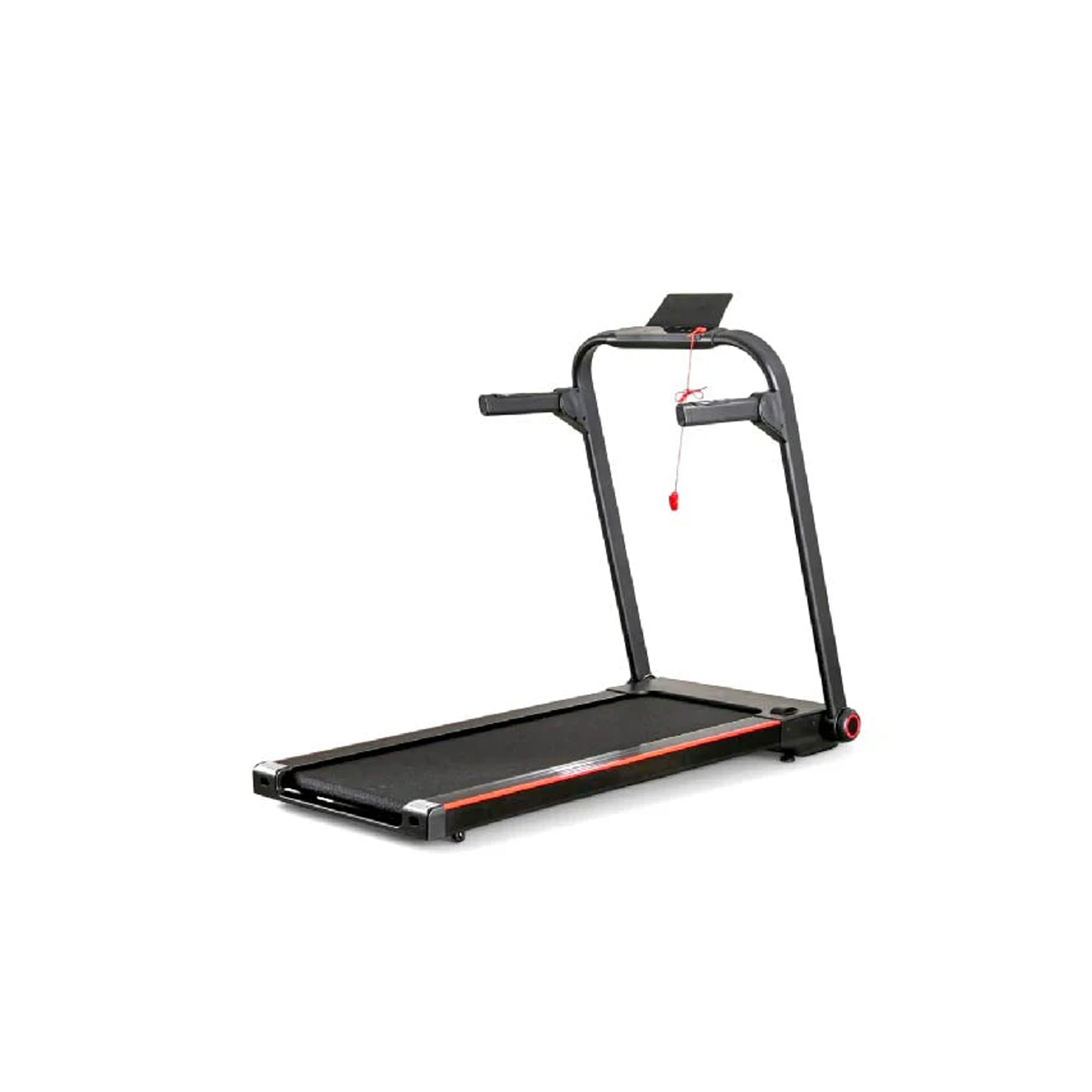
Are you using heavy power racks, treadmills, or sets of 50kg dumbbells? Heavy equipment can compress thinner mats over time, leaving permanent indentations and reducing their effectiveness. Heavier loads generally require thicker, denser rubber to withstand the pressure without bottoming out.
3. Usage Intensity
A yoga studio has vastly different needs compared to a CrossFit box. High-intensity training involves jumping, sprinting, and dropping weights, all of which demand robust shock absorption. Low-impact activities prioritize comfort and surface texture over sheer thickness.
Recommended Thickness by Activity
To find the best thickness gym flooring UK for your specific needs, look at the primary activities you will be performing.
Light Exercise and Yoga (4mm - 6mm)
For bodyweight exercises, yoga, and Pilates, you typically do not need heavy-duty rubber. A standard yoga mat thickness of around 4mm to 6mm provides enough cushioning for your knees and elbows without being bulky. However, these are usually portable mats rather than permanent flooring solutions.
Cardio and Machine Areas (8mm - 10mm)
If your gym is focused on treadmills, ellipticals, or light dumbbell work, gym mat thickness in the 8mm to 10mm range is often sufficient. This thickness is tough enough to protect floors from the vibration of machines and the occasional dropped light weight. It provides a solid, stable surface that won’t feel "squishy" underfoot.
Functional Fitness and Garages (15mm - 20mm)
For general garage gyms, functional fitness, and moderate weightlifting, 15mm to 20mm is the industry standard for rubber gym floor mats uk. This is the sweet spot for most home gym owners in the UK. It offers excellent protection for concrete floors and significantly reduces noise. At Shark Power Gear, we often recommend this range for multipurpose spaces where you might be doing burpees one minute and deadlifts the next.
Heavy Weightlifting and Olympic Lifting (20mm - 40mm+)
If you are deadlifting heavy loads or performing Olympic lifts (where weights are dropped from overhead), you need maximum protection. A gym floor mat of 20mm is the minimum, but many serious lifters opt for 30mm or 40mm tiles, or invest in a specific lifting platform. At this level, the flooring must absorb massive amounts of kinetic energy to prevent the barbell from bouncing dangerously and to save your foundation from cracking.
Material Types and Quality
While thickness is key, the material quality dictates how that thickness performs.
Rubber Flooring
Rubber is the gold standard for gym mat flooring. It is durable, water-resistant, and provides excellent grip. Most high-quality gym mats, like those from Shark Power Gear, are made from recycled crumb rubber or vulcanised rubber.
-
Rolled Rubber: Often comes in thinner options (6mm-10mm) and is great for covering large areas with fewer seams.
-
Rubber Tiles: typically available in thicker options (15mm-40mm). These are easier to install and replace if one gets damaged.
Foam Mats
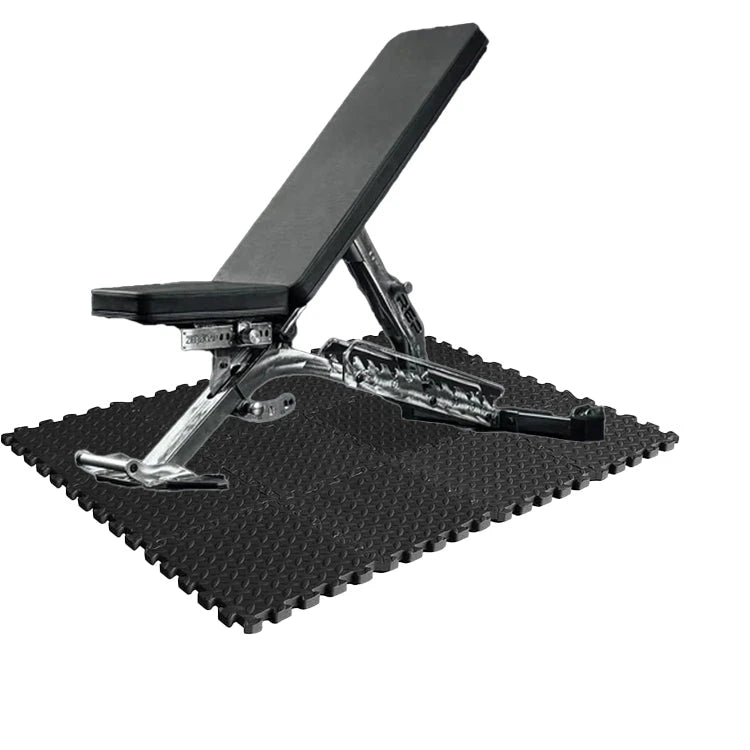
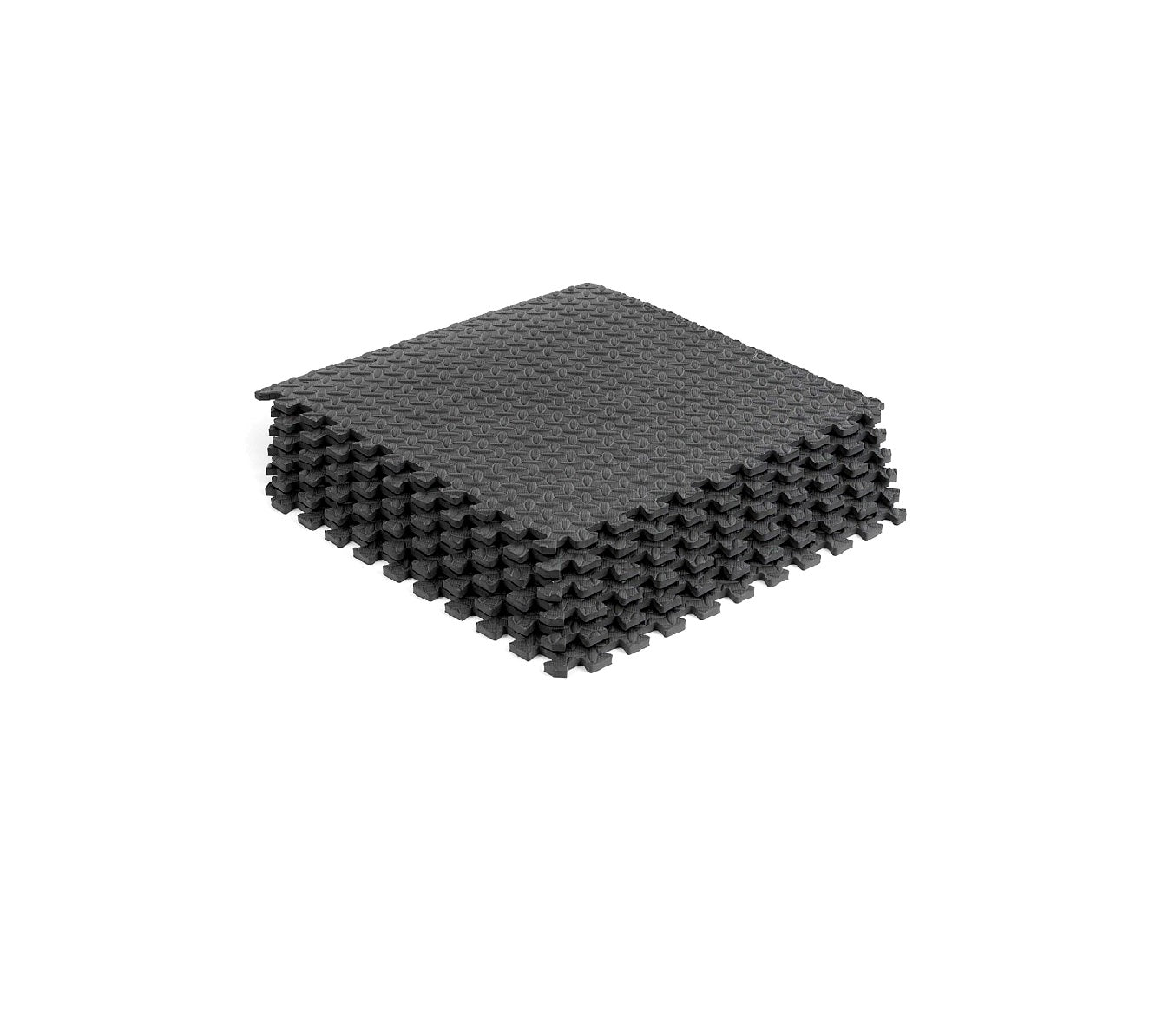
EVA foam tiles are popular because they are cheap and lightweight. However, for a serious gym setup, they are often inadequate. They compress too easily under heavy weight and can be slippery when wet. While they might be 12mm thick, a 12mm foam mat offers significantly less protection and stability than an 8mm rubber mat. For longevity and safety, rubber is almost always the superior choice for floor matting for gym setups.
Maintenance Tips for Your Gym Mats
Once you have installed your Shark Power Gear mats, keeping them in top condition is straightforward.
-
Regular Cleaning: Sweep or vacuum dust and chalk residue regularly. For a deeper clean, use a damp mop with a pH-neutral cleaner. Avoid harsh chemicals or bleach, as these can break down the rubber compounds over time.
-
Air Circulation: Rubber can hold moisture underneath if not installed correctly. Ensure your subfloor is dry before laying the mats. If you are cleaning them with water, let them air dry completely.
-
Rotate High-Traffic Areas: If you always drop weights in the exact same spot, that specific tile might wear down faster than the rest. Rotating tiles from the edge of the room to the centre can extend the life of your flooring.
Securing Your Foundation with Shark Power Gear
Selecting the right gym mat thickness is a critical step in building a training environment that is safe, professional, and durable. Whether you are setting up a commercial facility or a personal sanctuary in your garage, the floor is the foundation of every rep.
If you are just starting out with light weights, an 8mm-10mm mat might be perfect. For those pushing their limits with heavy iron, stepping up to a 20mm Shark Power Gear rubber mat will ensure your floor—and your focus—remains unbroken.
Don't compromise on safety or quality. Browse our range at Shark Power Gear to find the robust, high-performance flooring solutions that UK athletes trust.
Share